Key points:
- The Federal Reserve’s Federal Open Market Committee voted to maintain the federal funds target range between 3.5% and 3.75%.
- A rate increase this year is far from certain despite the renewed affirmation under Federal Reserve Chairman Kevin Warsh that “the Committee will deliver price stability.”
The Federal Open Market Committee held the target policy rate at 3.5%-3.75% today. The move was largely expected, though hardly guaranteed, after Fed Chair Kevin Warsh pulled the plug on forward guidance last month. Minutes from the prior meeting also noted that some FOMC members saw a “case for raising the target range for the federal funds rate” at the June meeting, and today’s 9-3 split represents anything but firm consensus. Together, this suggests rate increases could soon be a reality unless inflation cools more dramatically in the coming months.
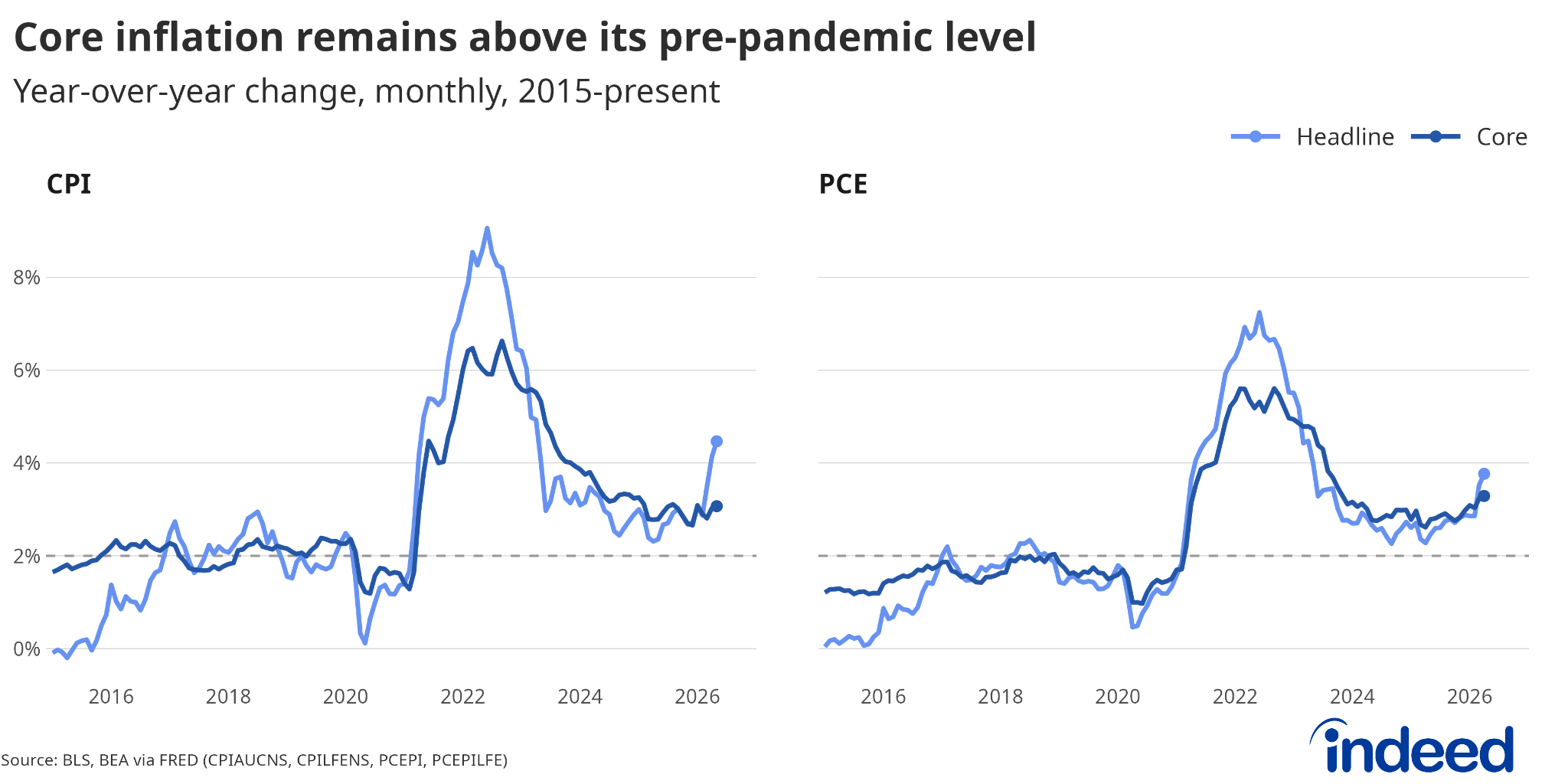
A soft turn in the inflation data arrived just in time for July’s meeting. Prices fell in June, with both headline CPI (-0.42%) and core CPI (-0.02%) slipping over the month. At the same time, June’s Employment Situation report showed that employers added 74,000 fewer jobs this spring than initially reported, pouring cold water on an emerging narrative of a reheating job market. June’s softer data releases showed neither side of the Fed’s dual mandate requiring immediately higher interest rates. Barring a major change in how the Committee thinks about rate changes, it would have been a bit inconsistent to announce a rate hike in July when they had decided to hold policy steady a month prior amid hotter data prints.
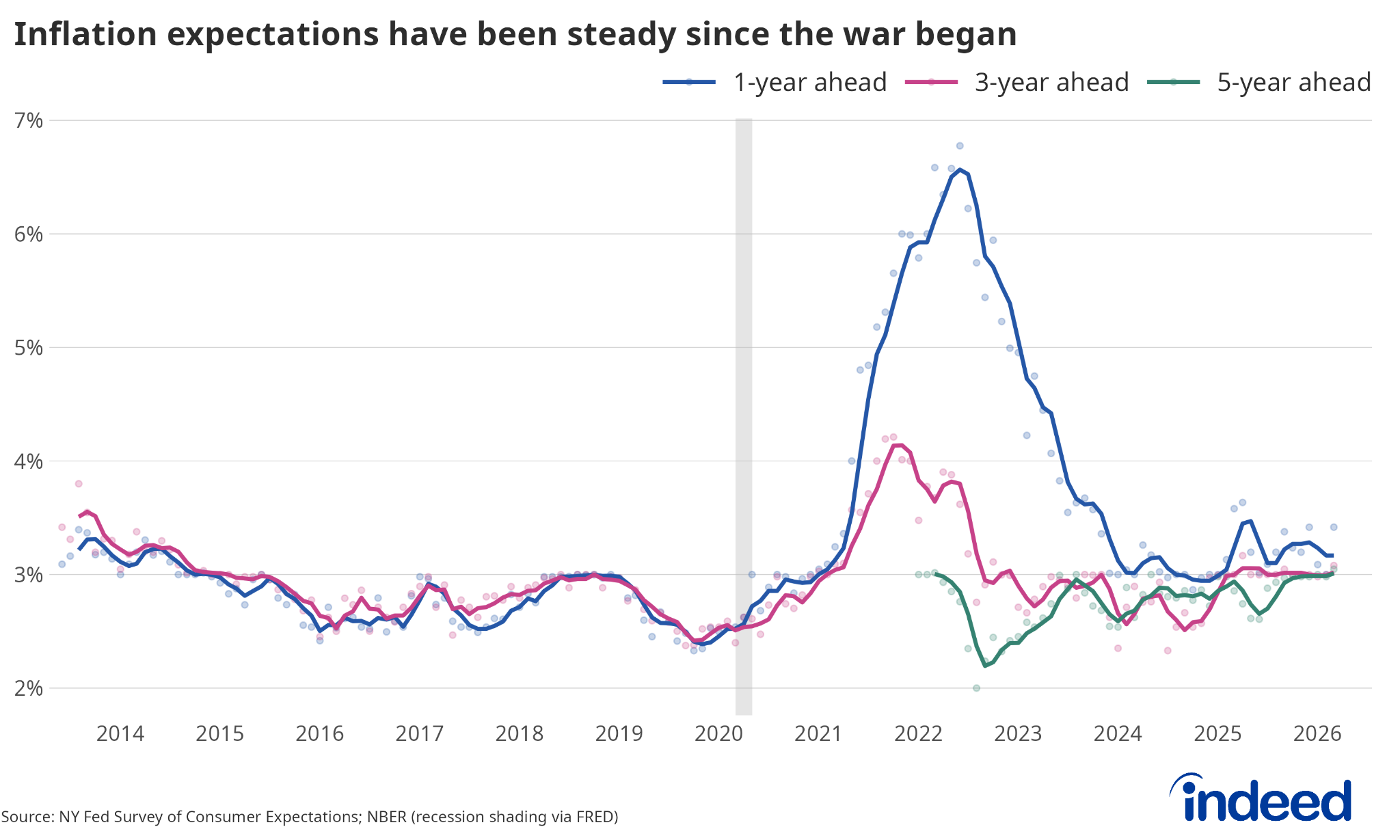
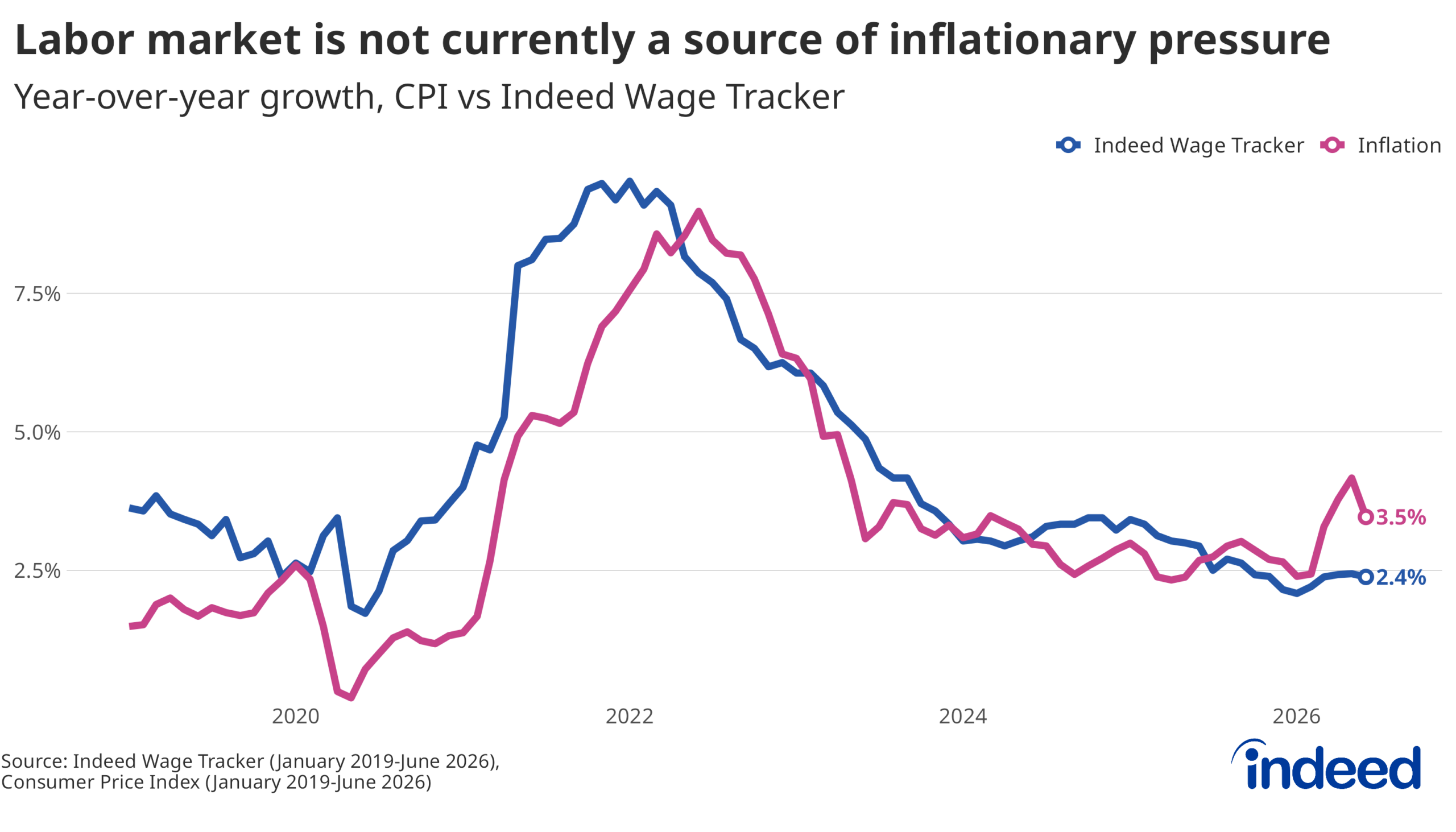
Looking forward, a rate increase this year is far from certain, despite the renewed affirmation under Warsh that “the Committee will deliver price stability.” The hawkish dissents voiced by three regional bank presidents at today’s meeting could represent an effort to provide more forward guidance in what has become a communication vacuum, more than a genuine vote for higher rates now. As of the June meeting, policymakers were split on whether economic developments over the year would leave them in a position to cut or raise their target rate at some point in 2026. There are arguments to be made in both directions. Demand for all things AI, new tariffs, and ongoing disruption to supply chains are all putting upward pressure on price growth. But at the same time, well-anchored inflation expectations and moderate wage growth are also serving to keep a lid on a surge in inflation.
Amidst all the ambiguity, one thing is clear: the trajectory of prices, not the labor market, will determine which policy scenario prevails in the short run. For now, the labor market is playing second fiddle, while inflation has first chair.